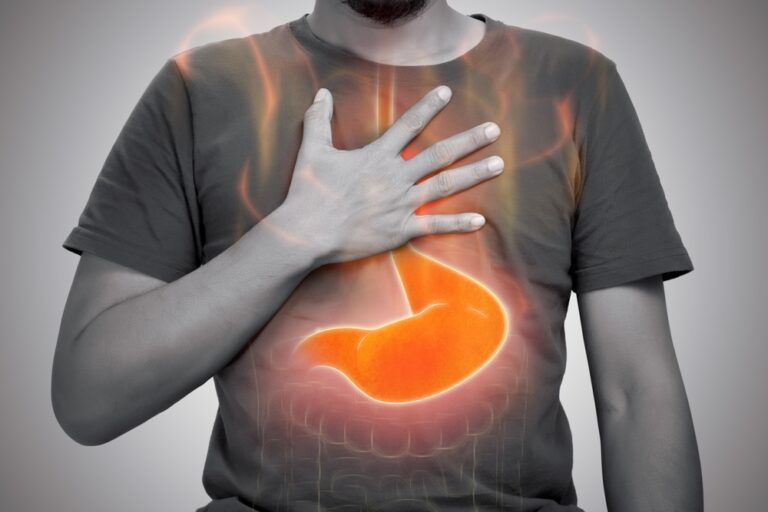
Living with frequent heartburn and discomfort can be challenging, and it often points to an underlying condition known as Gastroesophageal Reflux Disease (GERD). While many factors can trigger this condition, one of the most significant is the relationship between obesity and GERD. The connection between your weight and your reflux symptoms is a two-way street, with each one influencing the other.
Gastroesophageal Reflux Disease (GERD) is a chronic digestive disorder that occurs when stomach acid frequently flows back into the tube connecting your mouth and stomach (esophagus). This backwash, or acid reflux, irritates the lining of your esophagus.
While occasional heartburn is common, GERD is diagnosed when mild reflux symptoms occur at least twice a week, or moderate to severe symptoms happen at least once a week. Common signs include:
One of the most well-established risk factors for GERD is having a high body mass index (BMI). Carrying excess weight, particularly around the abdomen, puts increased pressure on the stomach. This pressure can overwhelm the lower esophageal sphincter (LES), the muscular valve that is supposed to keep stomach acid from flowing back into the esophagus.
When the LES is weakened or relaxes inappropriately, acid can reflux more easily, leading to the classic symptoms of GERD. Furthermore, excess abdominal fat can also increase the likelihood of developing a hiatal hernia, a condition where part of the stomach pushes up through the diaphragm. A hiatal hernia can further weaken the LES and increase the risk of severe acid reflux. The link is clear: as body weight increases, so does the prevalence and severity of GERD.
While it’s clear that weight gain contributes to GERD, the reverse can also be true, creating a frustrating cycle. The discomfort of heartburn may lead people to eat more frequently in an attempt to temporarily soothe the burning sensation, as food can briefly neutralize stomach acid. This pattern of “grazing” can lead to a higher overall calorie intake and subsequent weight gain.
Additionally, GERD symptoms can disrupt sleep. Discomfort from acid reflux that worsens when lying down can lead to poor sleep quality. A lack of sleep is known to disrupt hormones that regulate appetite, often increasing cravings for high-calorie, unhealthy foods, which can contribute to weight gain.
The combination of obesity and GERD poses more than just daily discomfort. Over time, chronic exposure to stomach acid can cause serious damage to the esophagus. Individuals with a high body mass index BMI and GERD face an elevated risk for several complications.
One of the most serious long-term risks is Barrett’s esophagus, a condition in which the tissue lining the esophagus changes to resemble that of the intestine. This condition significantly increases the risk of developing esophageal adenocarcinoma, a rare but deadly form of cancer. Consistently managing both GERD and weight is crucial to mitigating these serious health risks.
The good news is that even modest weight loss can have a profound impact on reflux symptoms. When you lose weight, especially from the abdominal area, you reduce the pressure on your stomach. This allows the lower esophageal sphincter (LES) to function more effectively, preventing stomach acid from escaping into the esophagus.
An extensive meta-analysis of multiple studies confirmed a strong link between weight loss and the improvement or resolution of GERD symptoms. For many, losing just 10% of their body weight can be enough to significantly decrease the frequency and severity of acid reflux, sometimes to the point where they can reduce or stop taking medication like proton pump inhibitors (PPIs).
In addition to weight loss, several other lifestyle changes can help manage GERD. Creating a holistic plan that incorporates these habits can provide comprehensive relief.
Weight loss is a primary recommendation for any individual with gastroesophageal reflux disease GERD who has a body mass index BMI in the overweight or obese category (BMI of 25 or higher). Research from the Boston University School of Medicine and other institutions has consistently shown that this group stands to gain the most significant relief from their reflux symptoms by losing weight.
For individuals with severe obesity who have not found success with diet and exercise alone, more intensive medical interventions may be considered. In some cases, bariatric surgery not only leads to substantial weight loss but can also resolve GERD and its related complications.
If you experience frequent symptoms of reflux, it’s essential to consult a healthcare provider for a proper diagnosis and treatment plan. You should talk to a doctor if:
The doctors at Allied Digestive Health can help you create a personalized plan to manage your symptoms, reduce your risk factors, and improve your overall quality of life.
For Your Visit
Great Neck Office
233 East Shore Road,
Suite 101,
Great Neck, NY 11023
P: 516-487-2444
Mon – Fri: 9:00 AM – 4:00 PM
Sat & Sun: Closed
© All Rights Reserved